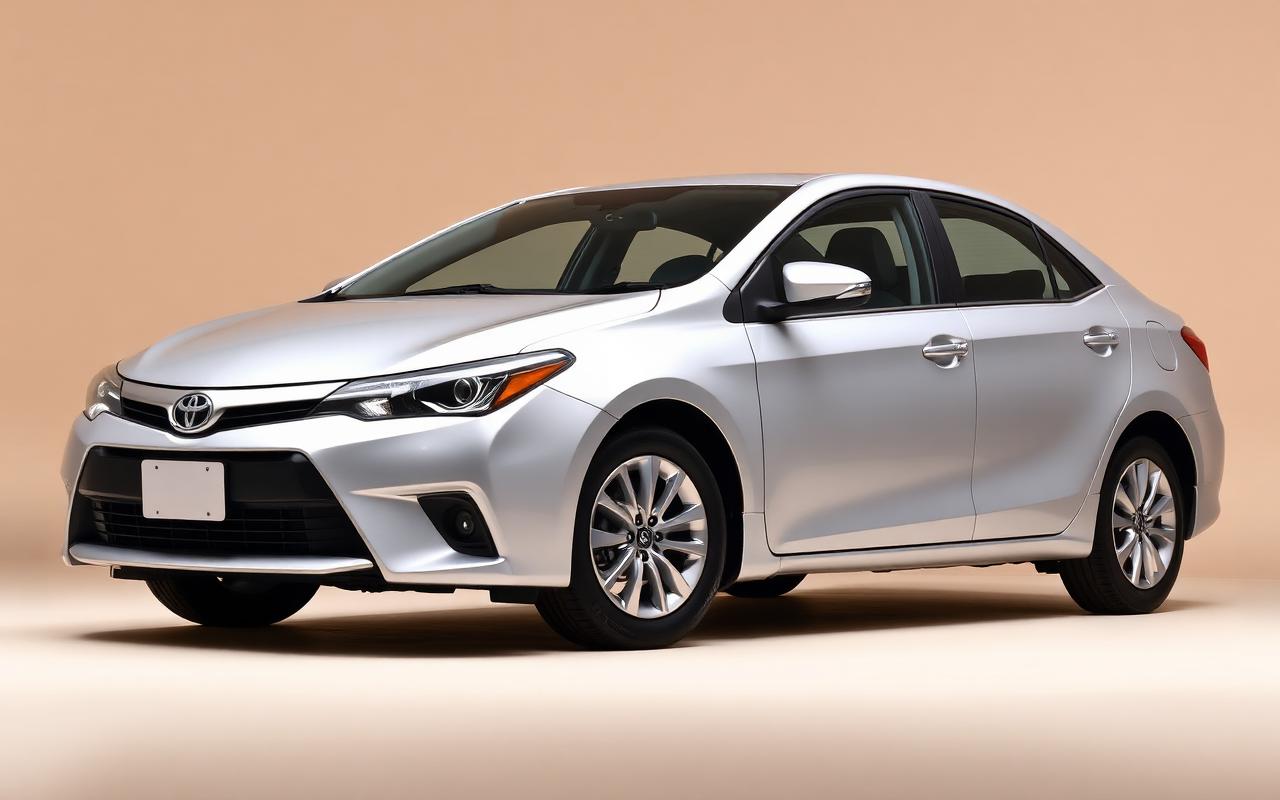
If you've ever wondered how friends and family in Ghana end up with cleaner, better-spec'd cars for less than dealership prices, the answer is almost always the same: they imported. The catch is that the process can feel intimidating the first time — auctions in another country, freight, port duties, clearing agents. This guide breaks the whole journey into five honest stages so you know exactly what to expect.
1. Decide on the car (and the budget) before you bid
The biggest mistake first-time importers make is shopping by feel. Before you look at a single listing, lock in three things: the body style you actually need, the maximum landed cost you can afford, and the year range you'll accept. The landed cost is the real number — auction price, fees, ocean freight, duty at Tema, and clearing. As a rough guide, plan for landed cost to be roughly 1.7×–2.2× the auction hammer price for sedans and small SUVs, and higher for luxury or large-engine vehicles.
2. Source from the right auction
Copart and IAA are the two largest US auto auctions and supply most cars exported to Ghana. Both list salvage and clean-title vehicles. Clean-title cars cost more up front but are easier to insure, register and resell. Salvage cars (often labelled "run and drive" or "minor front end") can be fantastic value if you understand exactly what you're buying — and disastrous if you don't.
3. Bid (or have someone bid for you)
You cannot bid on Copart as an individual without a registered dealer or a broker account. Working with an import partner like Montrad means we bid on your behalf using our credentials, set a hard ceiling for you, and only commit when the price makes sense for your budget.
4. Ship to Tema
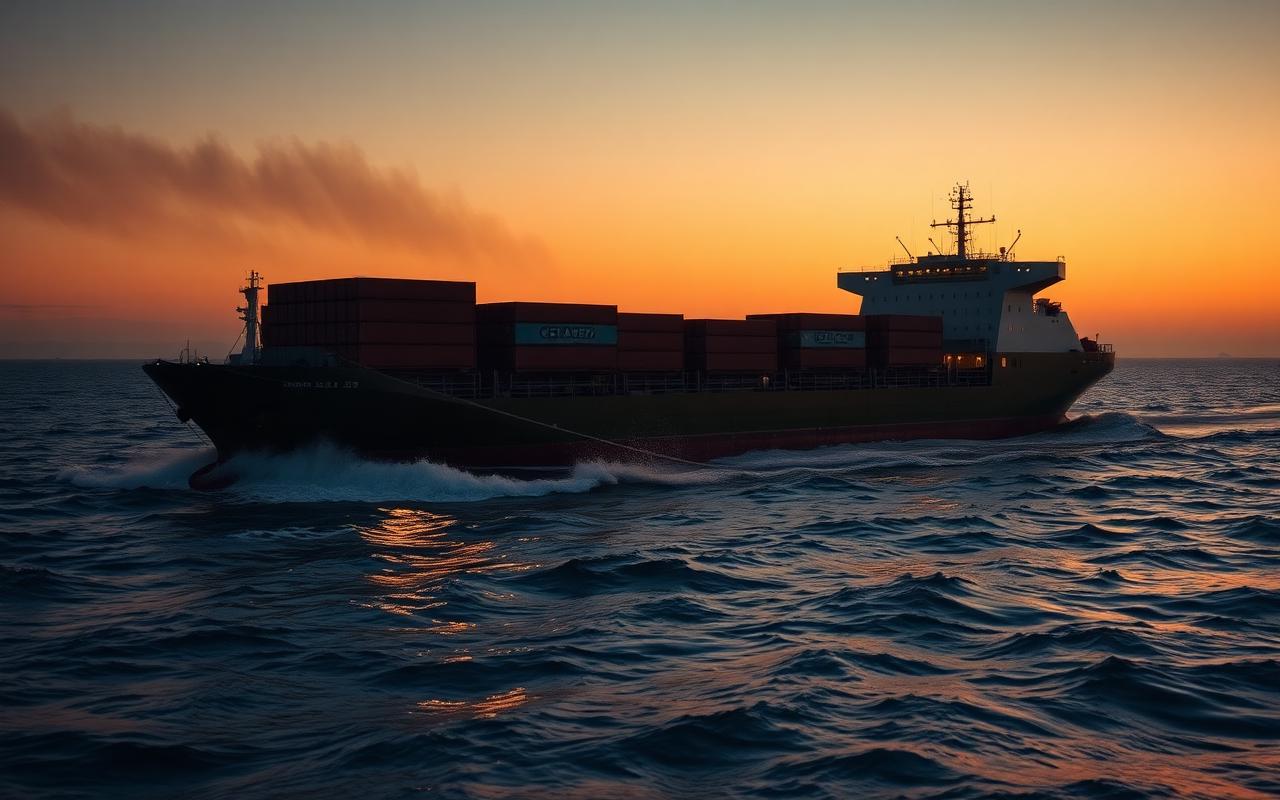
Once won, your vehicle moves to the export yard, gets loaded into a container or roll-on/roll-off (RoRo) vessel, and sails to Tema port. Container is safer for high-value cars; RoRo is cheaper and faster for everyday vehicles. Plan for 4–8 weeks from auction win to vessel arrival.
5. Clear at Tema and drive home
Clearing involves valuation by the Ghana Revenue Authority (GRA), duty payment based on CIF value and engine size, and inspection. A good clearing agent will pull the vehicle in days, not weeks. From there, DVLA registration, number plates and you're on the road.
Documents you'll need
- Bill of Lading (BL) from the shipping line
- Original title or salvage certificate
- Commercial invoice showing the hammer price
- Your Ghana Card and TIN
- Import Declaration Form (IDF)
What this means for you
If your budget, model and year are locked in before you bid, importing a car is a clean, repeatable process. The savings versus buying locally are real — often 25–40% on equivalent vehicles. The work is in the preparation and in choosing a partner who is transparent about every line of the landed cost.
Frequently asked
Can I import any car age into Ghana?
Ghana applies penalties on vehicles over 10 years old at the time of import. Cars older than that face higher duties, so most importers focus on vehicles 1–10 years old to stay efficient on duty.
How long does the whole process take?
From the moment you confirm a bid, plan for roughly 6–10 weeks before you're driving the vehicle in Accra. Container shipping and customs clearance dominate the timeline.
Do I have to fly to the USA?
No. The entire process — bidding, payment, shipping, clearing and delivery — can be handled remotely through an import partner here in Ghana.